People don't go out to eat food.
That sentence sounds wrong, but it's the most important thing a restaurant operator can understand. People go out for an experience that happens to involve food. The food matters — obviously, it has to be good — but it's not what they're buying. They're buying the night out. The discovery. The story they'll tell their friends. The photo on their feed. The reason to leave the house.
This isn't a hot take. It's why the most successful restaurants in Miami aren't the ones with the best food on paper. They're the ones that build an experience around the food. The food is the excuse, not the destination.
The case for why we know this works — and what it took to build a restaurant brand around this idea — comes from our work with YIP, a dim sum concept in Wynwood that started as a traditional Cantonese restaurant in Pembroke Pines, transformed into a fast-casual brand inside one of Miami's most-photographed food halls, and built a fanbase so loyal that customers started asking to buy the dim sum to take home.
The mistake most restaurants make
Walk into any restaurant marketing meeting and you'll hear the same conversation: "We need to improve the menu." "We need better photos of the food." "We need to highlight the quality of our ingredients."
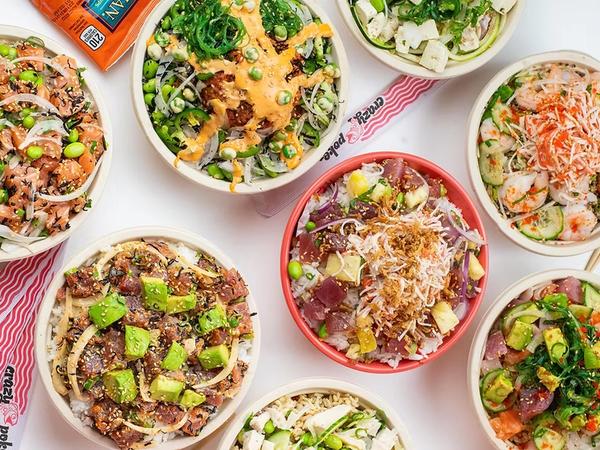
These are all reasonable things to discuss. But they share a hidden assumption — that the product is what's being sold. And in 2026 Miami, that's a losing strategy. Every restaurant has good food. Every chef talks about quality ingredients. Every menu has Instagram-worthy plates. Food quality is now the price of entry, not the differentiator.
The differentiator — the thing that determines whether a restaurant becomes a destination or quietly closes — is the experience layer that surrounds the food. And most restaurants invest almost nothing in it.
The YIP transformation
The story is worth telling because it's a clean version of this principle in action.
The starting point: Gold Marquess in Pembroke Pines
The Yip family ran Gold Marquess, a traditional Cantonese restaurant in Pembroke Pines. The food was excellent. The customers were loyal. But the brand had a ceiling — it was a destination for the people who already knew about it, in a location far from where Miami's dining culture happens.
When the family wanted to open a second concept in Wynwood, the obvious play would have been to clone Gold Marquess — same menu, same identity, new location. We told them not to do that.
The reframe: not a restaurant, an experience
The brand we built — YIP — wasn't positioned as "Gold Marquess goes to Wynwood." It was positioned as a different proposition entirely: a fast-casual dim sum experience inside 1-800-Lucky, the multi-vendor Asian food hall that had already become one of Wynwood's defining nightlife spots.
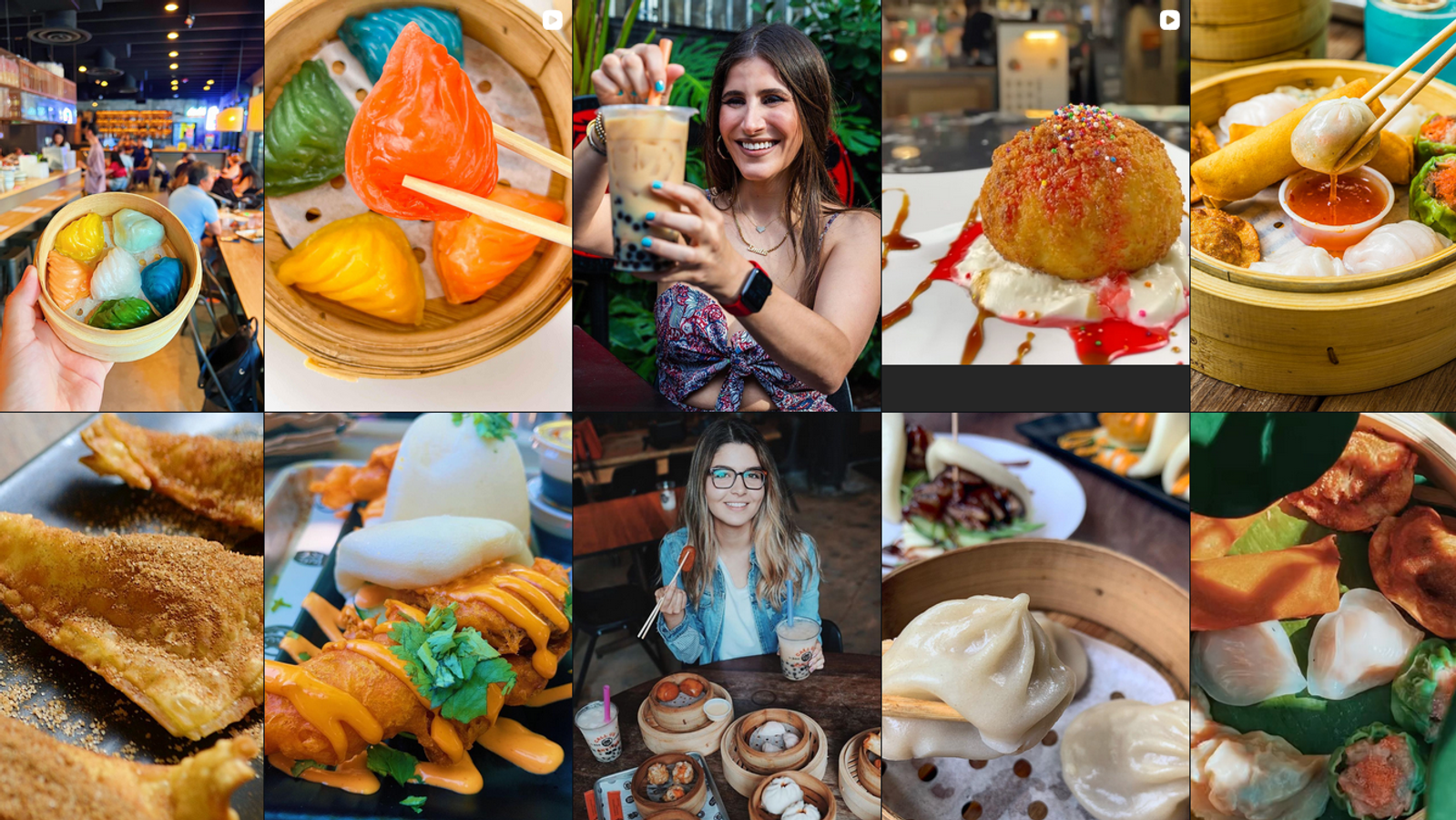
The food was still rooted in the family's Cantonese tradition. The dim sum shifu (master) still hand-rolls dumplings in small batches every morning, the way the family had always done it. But everything around the food was reframed:
- The location did half the work for us. 1-800-Lucky on Friday and Saturday nights is more of a scene than a restaurant — open until 2 AM, full of Wynwood creatives, art-crawl visitors, and the kind of crowd that's there to be somewhere, not just to eat.
- The format itself was the experience. Dim sum is interactive by nature — small plates, sharing, conversation, deciding together what to order next. It's not a meal; it's a session. We built the YIP brand around that ritual, not around the menu items.
- The visual identity matched the neighborhood. Bold, contemporary, design-forward — the kind of visual language that lives well next to street art and feels at home on Instagram. The traditional Cantonese identity stayed in the food. The brand identity met Wynwood where Wynwood was.
What happened next (and why it proved the thesis)
YIP became one of the most consistently busy stalls inside 1-800-Lucky. Customers came back. Then they came back again. Then they started doing something interesting — they started asking to take the food home.
So we built an ecommerce line. We sold the actual bamboo steamers that the dim sum is served in, so customers could prepare and serve dim sum at home. We launched frozen products — the same dumplings YIP serves in the restaurant, packaged for home preparation.
The thing we didn't expect — but should have — is what happened to the in-restaurant traffic when the home products launched.
It went up.
Customers who bought the frozen dumplings to make at home didn't stop coming to the restaurant. They came more often. The home experience reinforced the brand. The bamboo steamer on their kitchen shelf was a constant reminder. The dumplings in their freezer made them think about YIP — and then, when they wanted the actual experience, they came back for it.
This is the part that's counterintuitive but the most important insight: if you build the experience right, productizing it doesn't cannibalize it. It amplifies it. People can buy your product. They can recreate it at home. They can have a version of you in their kitchen. And they will still come to your restaurant — because what they want is the experience, and the experience cannot be packaged.
The 4 layers of experience most restaurants miss
So if the experience is what people are paying for, what does that actually mean? What are the components of "experience" that a restaurant can build, measure, and improve?
In our work, we've found four layers. Most restaurants invest in one. The great ones invest in all four.
1. The visual layer
This is the most obvious one and the most over-thought. It's everything the customer sees — the lighting, the plating, the room, the staff uniforms, the typography on the menu. Good restaurants have a coherent visual identity. Great restaurants have one that's specific to where it lives. YIP's design language is specifically built for Wynwood. It would be wrong in Coral Gables. It would be wrong in Brickell. That specificity is the value.
2. The ritual layer
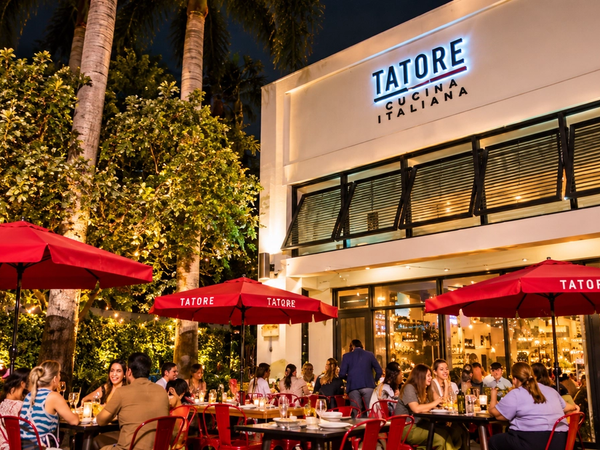
This is what people do at the restaurant. The act of being there. Dim sum has built-in ritual — choosing small plates, sharing, the bamboo steamers stacking up on the table, the conversation that happens because everyone is leaning in. Italian trattorias have ritual — bread arriving first, wine being poured tableside, the pasta course before the secondi. Most US restaurants have zero ritual. You order, you eat, you leave. That's not an experience. That's a transaction.
3. The narrative layer
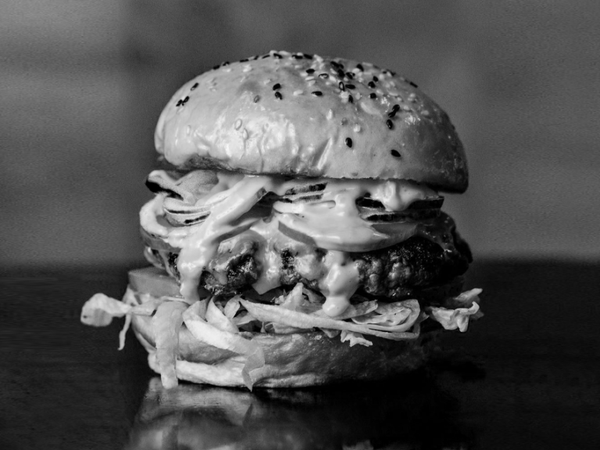
This is the story the restaurant tells — to itself, to its staff, to its customers. YIP tells a story about a family tradition being brought to a new neighborhood without being diluted. La Birra Bar tells a story about Argentinian burger craftsmanship taking on the country that invented the burger. Every great restaurant has a story it's willing to tell over and over. Most restaurants have no story at all — and so they have nothing for the customer to repeat to their friends, nothing for journalists to write about, nothing that makes them memorable.
4. The community layer
This is the most expensive to build but the most valuable. A great restaurant has regulars. Not in the sense of "people who come a lot" — in the sense of "people who feel a sense of belonging to the place." The staff knows their name. There's a table they prefer. They've brought their friends. They've posted about the place enough times that they're part of the restaurant's marketing whether they realize it or not. The community layer is what converts a one-time visit into a 10-year customer. Most restaurants don't build it because it requires patience and attention. The ones that do build it have lines out the door.
What this means for your restaurant
If you're running a restaurant in Miami — or planning to open one — the question isn't "is our food good?" Assume your food is good. The question is: what experience are people actually buying when they choose to walk in?
Concrete things to audit:
- Is there anything ritualistic about a meal at your place? Not just the food, but the act of eating it. Could you build one? (Examples: a specific dish that arrives in a specific way; a sauce served tableside; a closing ritual at the end of the meal.)
- Does your brand tell a specific story, or a generic one? If you can swap your tagline with another restaurant's and nobody would notice, you don't have a narrative. You have marketing language.
- Do you have any actual regulars? Not customers who come back — regulars. People who feel ownership of the place. If not, what would it take to build them? (Staff training, name recognition, surprise gestures, programming like industry nights and tasting menus.)
- If your food was available at home, would your customers still come? This is the YIP test. If the answer is no, you're selling product, not experience. The fix isn't to make the product better. It's to build the experience around it.
The bigger point
The restaurants that survive in Miami aren't the ones with the best chef, the prettiest plates, or the highest-quality ingredients. Those are commodities. Every market has them.
The restaurants that win are the ones that figured out a specific reason for people to come there — and built every element of the brand around amplifying that reason. The food is part of it. But it's not the point.
The point is the experience. And experiences cannot be cloned, automated, or replaced by an app. They're the only durable competitive advantage left in hospitality.
That's why YIP worked. That's why La Birra Bar worked. That's why every restaurant we've worked on that's still running and growing has worked. They built an experience worth coming back for — and then they got out of the way and let people come back for it.