Miami's restaurant industry has a problem every June: the city empties out.
Snowbirds leave, families travel, the heat scares off the daytime traffic. Most restaurants lose 30-50% of their volume from June through August. It's the kind of slump operators plan for and survive — usually with skeleton staff and reduced hours.
Except not this year.
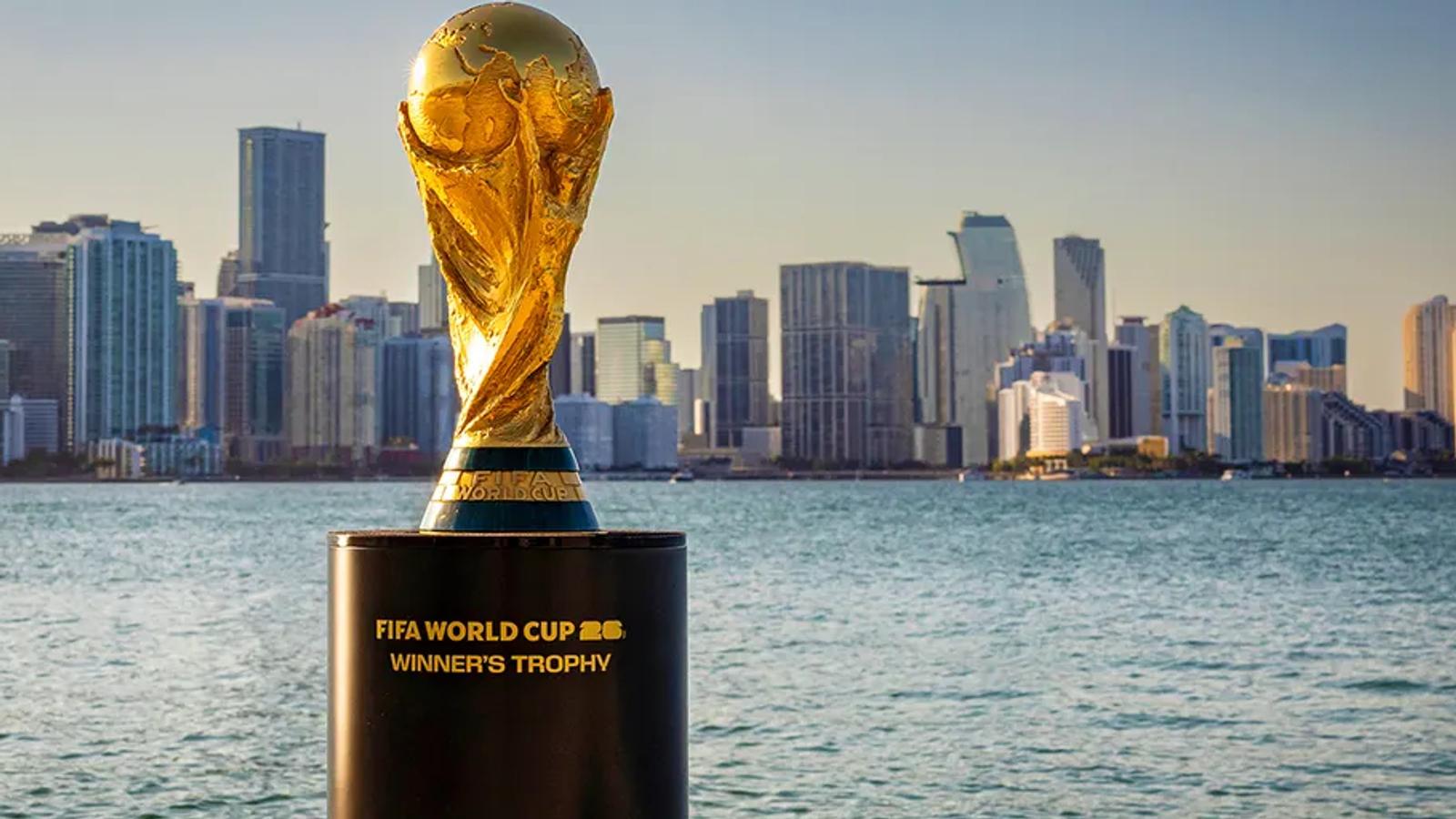
From June 11 to July 19, 2026, Miami is hosting one of the three biggest concentrations of the FIFA World Cup in the United States. Seven matches at Hard Rock Stadium — officially renamed "Miami Stadium" for the tournament — featuring Brazil, Portugal, Colombia, Uruguay, and a likely Argentina knockout match on July 3. The 436,000 sq ft FIFA Fan Festival is taking over Bayfront Park from June 13 to July 5 with free public screenings on giant LED screens.
For five weeks, Miami's off-season disappears. Replaced by the largest concentrated influx of Latin American visitors the city has ever hosted in a single window. And most local restaurants and bars are sleepwalking through it.
This is the playbook for what to do — fast — to make this World Cup the most commercially significant six weeks your business has ever had.
Why this is bigger than any prior summer event
Miami has hosted Super Bowls. It hosted F1 every year. It hosted the Copa América final in 2024 (also at Hard Rock Stadium). Those are big events. The 2026 World Cup is on a different scale, for three reasons specific to your business:
- Duration: 5 weeks of sustained traffic, not a single weekend. Most events bring a 3-day surge. The World Cup is the entire summer.
- Audience composition: The audience is overwhelmingly Latin American, Spanish-speaking, and predisposed to long meals with drinks. Compare that to F1 (corporate, mostly American/European, predictable spend ceiling). The World Cup audience is your audience if you operate a restaurant or bar with any Latin sensibility.
- Daypart inversion: Matches are played from 6 PM ET to 7:30 PM ET on weekdays. The crowds will hit restaurants from 9 PM onward — exactly the daypart Miami restaurants struggle to fill in summer. This is the most important detail. Your slowest hours just became your busiest.
The 7 games you need on your calendar
You don't need to be a soccer fan. You need to know which dates matter so you can plan staffing, inventory, marketing, and reservations:
- June 15 — Saudi Arabia vs Uruguay (Uruguayan crowd in Miami is massive — start strong)
- June 21 — Uruguay vs Cape Verde (another big Uruguayan day, including post-match Sunday night)
- June 24 — Brazil vs Scotland (Brazil at Hard Rock = the largest Brazilian-fan day Miami has seen since Copa América)
- June 27 — Colombia vs Portugal (massive Colombian and Portuguese-speaking audience, Saturday night)
- July 3 — Round of 32 (potentially Argentina if they finish 2nd in Group J — this is the day that could break Miami)
- July 11 — Quarterfinal (TBD — but a knockout match = doubled-up urgency)
- July 18 — Bronze Final / 3rd-place match (TBD — final Miami matchday before NYC's final)
Every one of these dates has a 4-6 hour window where every restaurant within 5 miles of a TV is filled, and a post-match window from ~9 PM to 2 AM where the celebration (or commiseration) crowds spill into bars and late-night spots. The smart operators are planning each match like a private event with extra fish in the room.
What to do THIS WEEK to be ready
The tournament starts in days, not weeks. Here's the practical, prioritized list — do these in order.
1. Set up watch parties for the 7 Miami matches (and the 3-4 other "must-watch" days)
This is non-negotiable. You don't need fancy AV — you need a confirmed schedule that customers can find, plan around, and reserve for. The matches that will fill any Latin-leaning bar or restaurant:
- Every Argentina match (4 group games + knockout — assume Messi-mania reaches the highest level possible since 2022)
- Every Brazil, Mexico, Colombia, Uruguay match
- Knockout rounds from July 3 onward (every single one)
- The final on July 19 — even if at MetLife in NJ, Miami will be glued to screens
For each, build a simple reservation page on Resy/Sevenrooms/OpenTable. Watch parties with a $20-$40 minimum spend (food/drinks) reserve the table for the duration of the match. This locks in your revenue floor.
2. Launch a World Cup menu — TODAY, not next week
This isn't about reinventing your menu. It's about giving your audience an obvious reason to choose you over the place next door. A few high-leverage moves:
- Country-themed specials by matchday (e.g. "Brazilian feijoada special on June 24 / Brazil vs Scotland day"). Use the country flag on Instagram, mention the matchday explicitly.
- Match-length cocktails — a 90-minute cocktail and snack package priced at a clear number ($25, $35, $45). People hate doing math during a match.
- One signature World Cup item that gets photographed. A sticker, key chain or something that customers can take home or upload to their social media accounts.
The point isn't culinary sophistication. The point is giving every potential customer a reason to walk in and a reason to post.
3. Run paid social NOW — not at the start of each match
Most operators will run ads on matchday. That's too late. The audience is already committed to a spot by 4 PM. The window to capture decision-making is the day before each match, and the morning of.
Concrete setup:
- Meta Ads, geo-targeted to a 3-mile radius around your location, plus a separate campaign targeting Miami Beach hotels (for the tourists)
- Creative format: short videos (15-30 sec) showing your interior with the game on, the watch-party reservation link, and a single clear value prop ("Brazil vs Scotland this Wednesday. $35 includes match-length cocktail + appetizer. Reserve.")
- Spanish-language ad sets running in parallel — different copy, not just translated. The audience composition will reward you for it.
Budget rule of thumb: $80-$200/day per match-day during the tournament, focused on the 36 hours before each match. If you can't budget that, reduce the campaign to the four biggest matches only.
4. Reach out to Spanish-language and food press THIS WEEK
Miami press is actively writing roundups of "where to watch the World Cup" right now. Reporters at Time Out Miami, Eater Miami, Miami New Times, Hola Miami, El Nuevo Herald, Telemundo, and Univision are putting together their lists this week. If you're not in those roundups, you've ceded the entire pre-tournament discovery to your competitors.
A short email — three sentences, your offer, photos, reservation link — sent today to the food/lifestyle editors of those outlets is the single highest-ROI hour you can spend this week.
5. Make sure your Google Business Profile shouts "Watch the World Cup here"
This is the most-overlooked free marketing channel for restaurants. People searching "where to watch World Cup Miami" or "best restaurants for World Cup Miami" right now are pulling up Google Maps. If your business profile doesn't reflect that you're showing matches, you're invisible to one of the highest-intent audiences of the year.
Do this today:
- Update the business description to explicitly mention watch parties for the 2026 World Cup
- Post a Google Business Profile update with your match schedule (these expire and need to be refreshed weekly through the tournament)
- Add photos of the screens, the room setup, and any World Cup decoration you have
- Encourage customers to leave reviews during the tournament — mentioning "watched the match here" naturally surfaces your profile for relevant searches
6. Activate WhatsApp Business for match-day reservations
For Miami's Latin audience, WhatsApp is the default reservation channel. Make sure:
- Your WhatsApp Business greeting message mentions the World Cup and offers a quick reservation flow
- You have a quick reply with the match schedule ready to send
- A broadcast list (with opt-in) for past customers to receive match reminders
Where Miami is already gearing up — and what you can learn from them
A few Miami spots that have publicly announced World Cup programming and can serve as references:
- Hard Rock Cafe Miami — operating an official "SoccerFan Zone" with watch parties throughout June 11–July 19. Heavy programmatic approach, broad audience.
- FIFA Fan Festival at Bayfront Park (June 13–July 5) — the free public alternative. 436,000 sq ft, giant LED screens, 10,000-capacity amphitheater, food and drink activations. This is where the price-sensitive audience will be — which means anyone offering an elevated alternative (better food, better seating, no crowd) is differentiated.
- Marriott Biscayne Bay — running official FIFA-supporter programming through July 20, including hospitality packages.
- Brickell and South Beach bars — most major sports bars are pre-booking watch parties now. Sailors, The Wharf, American Social, Lost Boy, Las Olas Boulevard's strip — assume these are all aggressively activating.
What this tells you: the competition for the Latin/soccer crowd is already moving. If you're a restaurant or bar in Wynwood, Edgewater, Brickell, Midtown, Doral, or anywhere with a Latin clientele, you need to be in the conversation now — not after the tournament starts.
What NOT to do
A few things we've seen restaurants try in past major events that consistently fail:
Generic "watch the game" promotion
Saying "we have all the games on!" with no specific menu, no specific offer, and no reservation system is the bare minimum and won't differentiate you from every other restaurant in Miami doing the same thing. Specificity wins.
Pricing surge
Don't raise menu prices for matchdays. Customers who came for the World Cup remember which places gouged them, and they tell their friends. Hold prices, package smartly, and earn the long-term customer.
Mass influencer dumps the week of the match
It's too late for an influencer dump. By matchday, audiences have decided. Use influencers if you have existing relationships, but the leverage point for paid social and PR is now, not at kickoff.
Treating it as a one-time event
The biggest mistake. The World Cup is your acquisition channel. Five weeks of capturing first-time customers, building email/WhatsApp databases, and creating retention systems. Restaurants that treat the tournament as a 7-game-tactic and don't capture the contact info of every visitor leave 80% of the value on the table.
Every reservation form, every WhatsApp message, every walk-in during the tournament is a chance to capture the customer's information and re-engage them in August, September, October — the months that follow the tournament where most Miami restaurants normally die. The World Cup is the customer acquisition window. Stabilization happens in the 90 days after.
The bigger play
Most Miami operators will get a temporary lift from the World Cup just by being open and showing matches. That's table stakes. The real opportunity is using these five weeks to acquire customers you wouldn't have reached in any other window — and then retaining them through the back half of summer with the systems you build now.
The restaurants that walk away from July 19 with 500 new email subscribers, 300 new WhatsApp opt-ins, 50 Google reviews, and a clear plan to bring those customers back in August will look back at this summer as the inflection point of their year.
The restaurants that just show the games and pour beers will look back at it as a busy month that ended.
The window opens June 11. There are only so many hours left to get ready.