The short answer: if “best” means the U.S. city with the strongest combination of visitor demand, global sports, cultural relevance, technology investment and year-round commercial moments, Miami has one of the clearest cases in 2026. The claim is an argument, not an official ranking. The evidence is the unusual concentration of demand drivers arriving in the same market at the same time.
Miami in 2026: the numbers behind the momentum
Greater Miami and Miami Beach welcomed 28.3 million visitors in 2025 and generated US$32.2 billion in total economic impact, according to the Greater Miami Convention & Visitors Bureau. The city entered 2026 from a position of strength rather than from a speculative growth story.
- 82.4% hotel occupancy from January through April 2026, the highest among the 25 largest U.S. hotel markets tracked in the GMCVB presentation.
- New York ranked as the largest source of domestic visitor spending in Miami-Dade in Q1 2026, with approximately US$151.1 million in Visa-measured spend, up 12% year over year.
- 25 nationally televised Miami Heat games are scheduled for the 2026–27 season, while every game not exclusive to a national platform will air locally on WPLG Local 10.
- A US$3 billion gift to Carnegie Mellon University includes US$2 billion to launch a new 35-acre Miami campus in Wynwood.
These figures do not prove that every business will grow automatically. They show something more useful: Miami is attracting attention, capital and audiences across several independent categories.
A sports calendar that keeps Miami in the national conversation
Miami’s 2026 sports calendar was closer to a rolling sequence of national moments than a single peak season. The city hosted the College Football Playoff National Championship, the NHL Winter Classic, the Miami Open, the World Baseball Classic, Formula 1 and seven FIFA World Cup matches, including the bronze final. Each event brought a different audience, media cycle and hospitality opportunity.
The Formula 1 Miami Grand Prix ran May 1–3 at the Miami International Autodrome. The Miami Open ran March 15–29 at Hard Rock Stadium. Together with the World Cup, they reinforced the same commercial lesson: Miami is no longer dependent on beaches and nightlife alone. The city can repeatedly convert sports into travel, dining, entertainment and brand activations.
Inter Miami’s new stadium adds a permanent destination
Inter Miami opened Nu Stadium at Miami Freedom Park on April 4, 2026. The stadium anchors a 131-acre development planned around public space, food, retail and entertainment. That matters beyond matchday. A venue district gives brands and hospitality operators a recurring calendar instead of a one-time event.
Technology investment is becoming physical infrastructure
Miami’s technology story is moving from networking narrative to institutions and infrastructure.
- Carnegie Mellon University Miami: Ken Griffin’s US$3 billion gift includes US$2 billion for a new 35-acre campus in Wynwood. Construction is scheduled to begin in 2027, with graduate enrollment planned for 2028 subject to approvals. The campus is expected to serve about 3,500 students over time.
- Citadel in Brickell: Citadel describes plans for 1.2 million square feet of office and tenant amenities for its future global headquarters, reinforcing Miami’s position at the intersection of finance and technology.
- AI at Miami International Airport: Miami-Dade introduced AI-powered hologram chatbots at four airport entry points and described MIA as the first airport to deploy large-scale geo-aware, agentic AI across its digital infrastructure.
- eMerge Americas: the 2026 conference reported more than 20,000 attendees, 1,000 investors, 2,500 startups and participants from more than 60 countries.
The strategic shift is important. Miami is not only trying to look like a technology hub. It is building education, workplace, public-service and investor infrastructure that can sustain one.
The Miami Heat enters a new visibility cycle
The Miami Heat’s new era is both competitive and commercial. Two-time MVP Giannis Antetokounmpo now joins Bam Adebayo, giving the roster immediate national relevance. The league scheduled Miami for 25 national television appearances across ESPN, Prime, NBC, Peacock and ABC.
The holiday calendar creates several high-attention moments:
- Thanksgiving week: Miami plays Philadelphia on ESPN on November 25, followed by New York on Prime on November 27 as part of NBA Cup group play.
- Christmas Day: Miami plays Boston on ABC on December 25, returning to the league’s most visible regular-season date.
- Presidents’ Day: Miami hosts San Antonio on February 15, 2027 in a nationally televised matchup featuring Giannis Antetokounmpo, Bam Adebayo and Victor Wembanyama.
Local reach expands too. WPLG Local 10 will broadcast every Heat game that is not exclusive to a national platform and stream those games through Local 10 Plus. That combination gives sponsors and local businesses access to both national attention and broad over-the-air visibility in South Florida.
GTA 6 turns Miami culture into a global entertainment moment
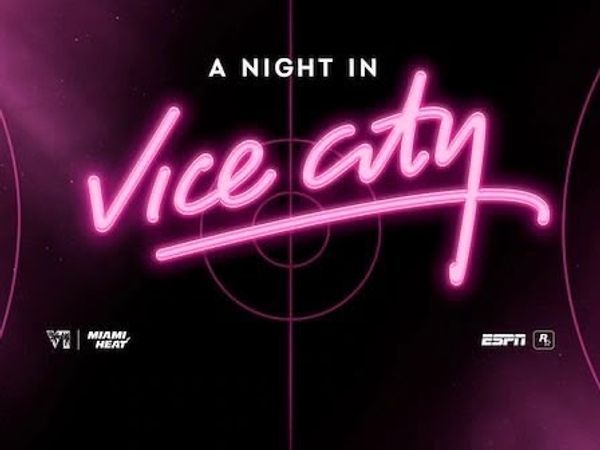
On November 18, the Heat will stage A Night in Vice City against Milwaukee with a special court, a new uniform and collaboration apparel. GTA 6 is scheduled to launch the following day. The activation connects basketball, gaming, fashion and Miami’s visual identity in one media cycle.
For brands, the lesson is not to copy the game’s aesthetic. It is to identify an authentic role in the larger cultural conversation and give audiences a useful reason to visit, book, buy or share.
Why the final quarter can be especially strong
Miami’s year-end calendar layers several demand engines. Billboard Latin Music Week runs October 19–22. The Heat regular season begins October 21. GTA 6 and the Vice City activation arrive in November. Miami Art Week runs November 30 through December 6, with Art Basel Miami Beach scheduled for December 4–6.
The seasonal visitor pattern strengthens that calendar. The official destination guide describes February as Miami’s most popular month and winter as peak season. Q1 2026 spending data shows why cold-weather markets matter: New York alone generated about US$151.1 million in measured domestic visitor spending, more than any other U.S. origin market in the report.
That does not mean every week will outperform or that high prices cannot suppress demand. It means Miami enters the colder months with a proven domestic audience, a dense event calendar and more reasons to travel than weather alone.
Why Miami can finish 2026 strongly
A strong year-end finish is a reasonable outlook, not a guarantee. The supporting evidence includes record 2025 tourism impact, leading hotel performance in early 2026, high-spending demand from New York, Art Week, the start of a nationally visible Heat season and the GTA 6 cultural moment.
The risks are real: affordability, congestion, extreme weather, shifting travel sentiment and competition for attention can reduce conversion. Businesses should plan around verified demand signals, then measure reservations, qualified traffic, average order value and repeat visits instead of treating impressions as revenue.
What Miami businesses should do now
The opportunity is not simply to say that Miami is booming. It is to translate citywide attention into a clear customer journey.
- Build event-specific landing pages before demand peaks, with direct booking or purchase paths.
- Use local search content that answers real questions about dates, neighborhoods, transportation and nearby experiences.
- Create an original offer tied to the audience’s reason for visiting rather than adding an event logo to a generic promotion.
- Coordinate organic content, paid media, email, partnerships and on-site experience so each channel reinforces the same proposition.
- Track revenue and qualified actions with tagged links, booking codes and comparable baseline periods.
Is Miami really the best U.S. city in 2026?
There is no universal answer. New York remains larger, Los Angeles has deeper entertainment infrastructure and San Francisco remains a major technology center. Miami’s 2026 advantage is concentration: global sports, Latin American connectivity, warm-weather tourism, finance, technology, art and entertainment are producing overlapping commercial moments in a relatively compact market.
For hospitality, lifestyle, entertainment and place-based brands, that concentration makes Miami one of the most actionable U.S. cities of 2026.
Sources and methodology
This article separates confirmed facts from Adyouwish’s strategic interpretation. Information was reviewed on October 4, 2026.
Greater Miami Convention & Visitors Bureau — 2025 tourism results and 2026 hotel performance
GMCVB — Q1 2026 domestic visitor spending and hotel-market data
Carnegie Mellon University — historic investment and Miami campus
Citadel — Miami global headquarters
Miami-Dade County — AI and robotics innovations at eMerge Americas
Inter Miami CF — 2026 stadium and Miami Freedom Park
Miami Heat — 2026–27 schedule and broadcast information
Miami Heat — Vice City uniform and November 18 activation
Art Basel — Miami Beach 2026 dates
Official Greater Miami calendar — annual events
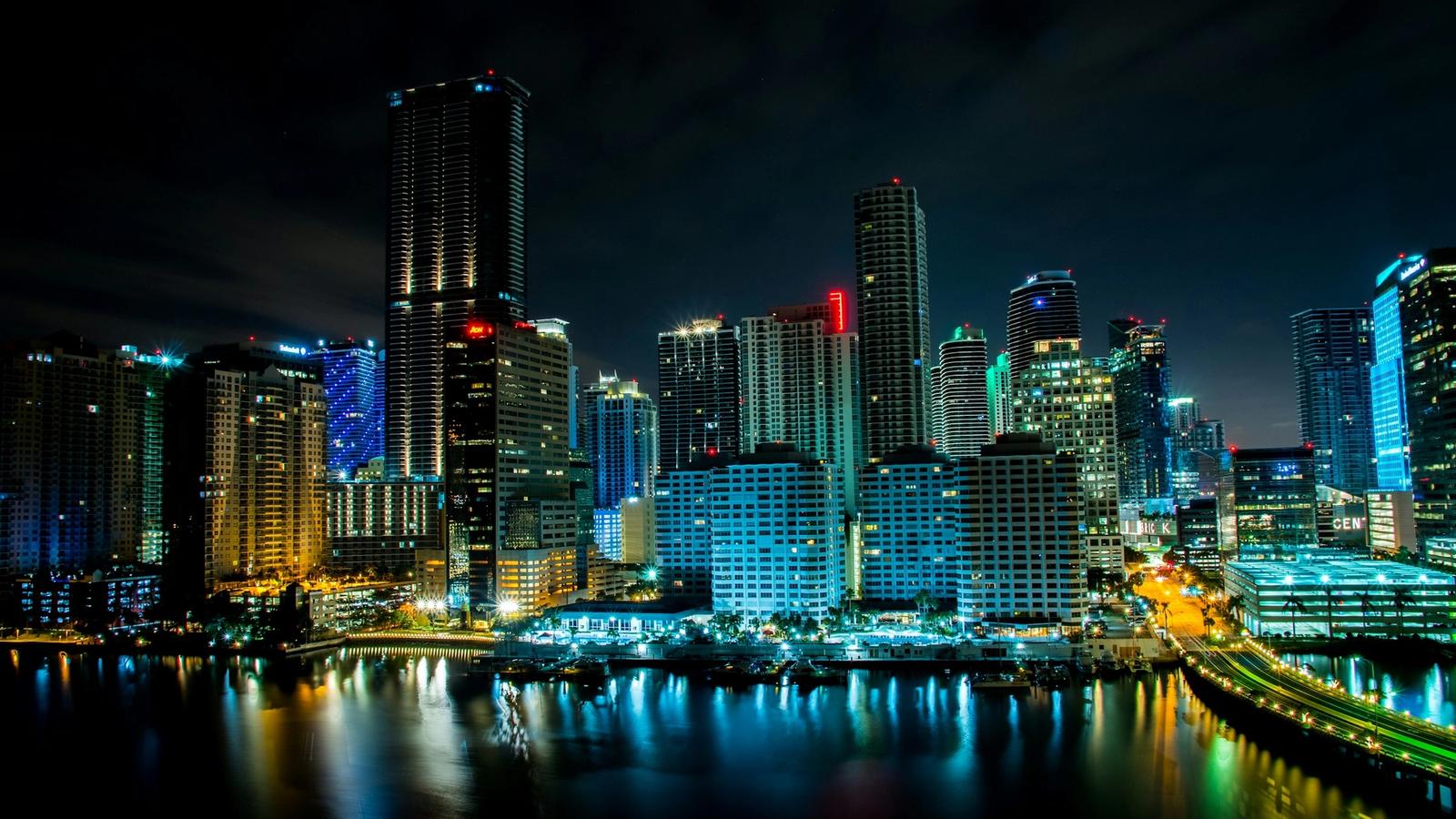
Hero photograph: Steele Rutherford / Unsplash.